When a Tree Becomes a Problem: What to Know About Safe Removal
Understanding When a Tree Needs to Go
Trees add shade, beauty, and value to a property. But sometimes a tree becomes more of a liability than an asset. A storm may have cracked the trunk, disease might be eating away at the roots, or a tree could simply be growing too close to the house. In those moments, knowing what professional tree removal services actually involve helps you make a sound decision.
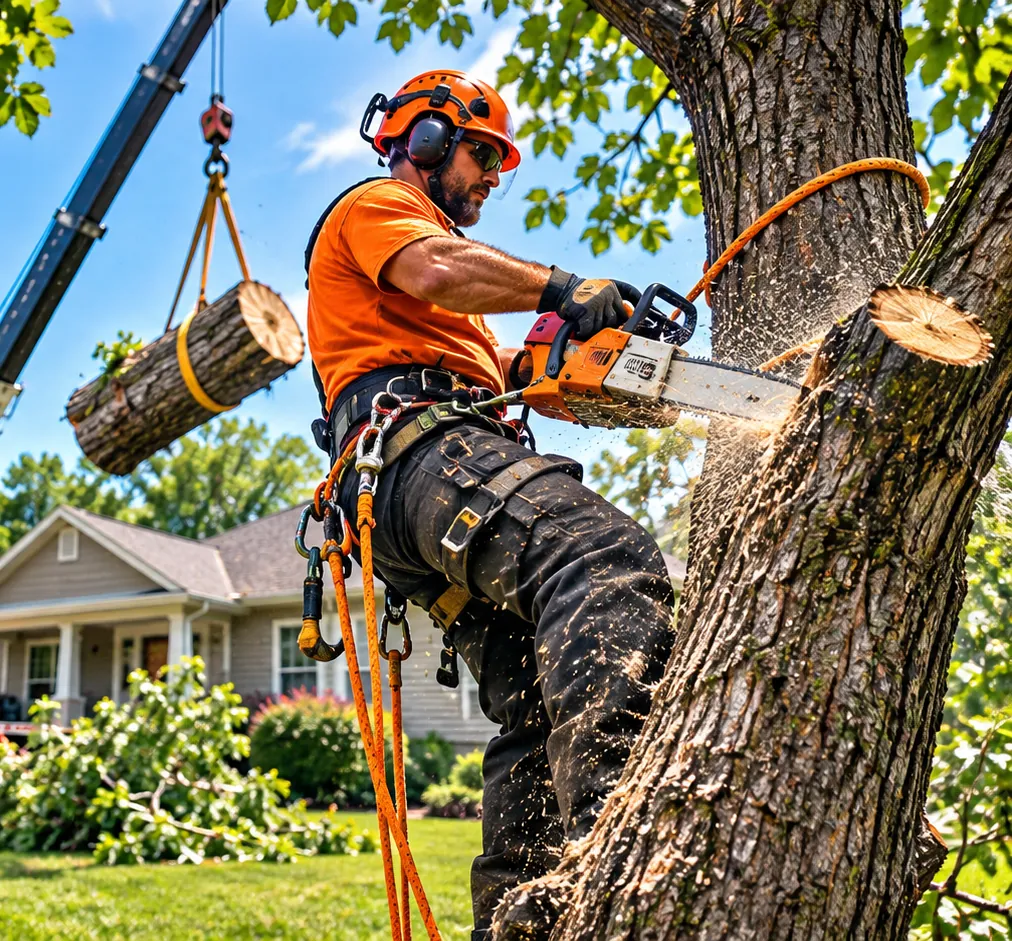
Removing a tree is not the same as cutting firewood. It is a structured operation that requires an understanding of weight distribution, fall paths, and the condition of the wood. A tree that looks solid from the ground can have internal rot that makes it unpredictable once the saw starts cutting. That is why experienced crews rely on climbing, rigging, and sometimes cranes to bring a tree down piece by piece. The goal is to control every piece of wood so that nothing damages the house, the fence, the neighbor's shed, or the people on the ground.
Signs That Removal Might Be the Right Call
Not every leaning tree needs to come down, but some warning signs deserve a closer look. Large cracks in the trunk or major limbs, especially those that run vertically, can signal structural weakness. Fungus growing on the trunk or at the base often means decay has advanced further than you can see. If the tree has lost a big limb already, the rest of the crown may be at risk too.
Root problems are another big one. If the soil around the base is heaving or if you see mushrooms growing directly on the roots, the tree's anchor may be failing. In heavy rain or wind, a tree with compromised roots can go over without much warning. For a tree near the house, the driveway, or a power line, that risk is usually too high to ignore.
Seasonal changes can also reveal issues. A tree that leafs out late or drops leaves early is often stressed. If the canopy is thinning year after year, the tree may be slowly dying. Waiting until a dead tree stands bare through spring is waiting too long - dead wood becomes brittle and much harder to control during removal.
What Professional Tree Removal Services Actually Involve
A full removal job goes beyond just cutting the trunk at ground level. The typical process starts with an assessment of the tree and the space around it. The crew looks at the lean of the tree, the obstacles below, and the wind direction. They plan a path for each piece of wood to come down safely. That plan often involves climbing the tree and cutting it from the top down, lowering sections on ropes so nothing falls free.
Once the main trunk is reduced to a safe height, the stump remains. Stump grinding is a separate service that uses a machine to grind the wood and roots down below the soil surface. It leaves a hole that can be filled with dirt and grassed over. If you plan to plant something else in that spot, grinding the stump is usually worth doing. If you are fine leaving the stump to rot naturally, you can skip it - but be aware that some stumps resprout, and a rotting stump can attract insects.
Debris cleanup is another part of the job that matters. A good crew will haul away the branches and logs, leaving the property tidy. Some homeowners keep the firewood; others prefer to have it all taken away. It is worth asking what is included so you are not left with a pile of wood you did not expect.
Storm Cleanup and Emergency Work
Storms can change the situation fast. A tree that falls across a driveway or onto a roof needs immediate attention. In those cases, the priority is making the area safe and removing the weight from any structure. Emergency tree removal services often work around the clock because a blocked driveway or a tree leaning on a house cannot wait until normal business hours. Crews that offer 24/7 response, like those at jaspertreeremoval.com, can get on site quickly, assess the danger, and start cutting the tree away from anything it is pressing on.
After the urgent pieces are cleared, the rest of the job - stump grinding, debris hauling, and final cleanup - can often be scheduled for a calmer day. The key is to address the immediate hazard first and then handle the rest at a pace that suits you.
Choosing a Tree Service: What to Look For
Not every company that offers tree cutting is equally equipped. A few things are worth checking before you hire anyone. Insurance is the big one. Tree work is dangerous, and if a branch lands on your house or a worker gets hurt, you want to know the company's insurance covers it. Ask for proof of liability insurance and workers' compensation. A reputable company will provide it without hesitation.
Experience with the specific type of job matters too. A crew that mostly trims small trees may not have the skills to take down a large oak near a house. Climbing and rigging require training and practice. Look for a service that talks through their approach and shows they have done similar work before. You can ask about their process for protecting the property during the job. A good crew will lay down boards to protect your lawn, use ropes to guide branches away from structures, and clean up thoroughly when they are done.
It is also smart to get a written estimate. That way you know exactly what is included - cutting, climbing, stump grinding, cleanup - and there is no confusion later. A company that gives a vague quote over the phone without seeing the tree may be missing important details that affect the price and the safety of the job.
What About the Permit?
Some areas require a permit before you can remove a tree, especially if it is a certain size or species. Local ordinances vary. In many counties, a permit is needed for trees in the right-of-way or for protected species. It is your responsibility to check with your local building or planning department. A good tree service will know the rules in their area and can often point you in the right direction, but the permit itself is usually the homeowner's responsibility. Skipping this step can lead to fines or other complications later.
When to Call for a Quote
If you see any of the warning signs mentioned earlier - cracks, fungus, leaning, dead limbs - it is worth having someone look at the tree early. The cost of a consultation is often minimal compared to the cost of emergency removal after a tree falls. A professional can tell you whether the tree is truly a risk or whether some pruning or cabling would give it many more years of safe life. Not every problem tree has to come down. A good arborist will tell you honestly when a tree can be saved and when it is past saving.
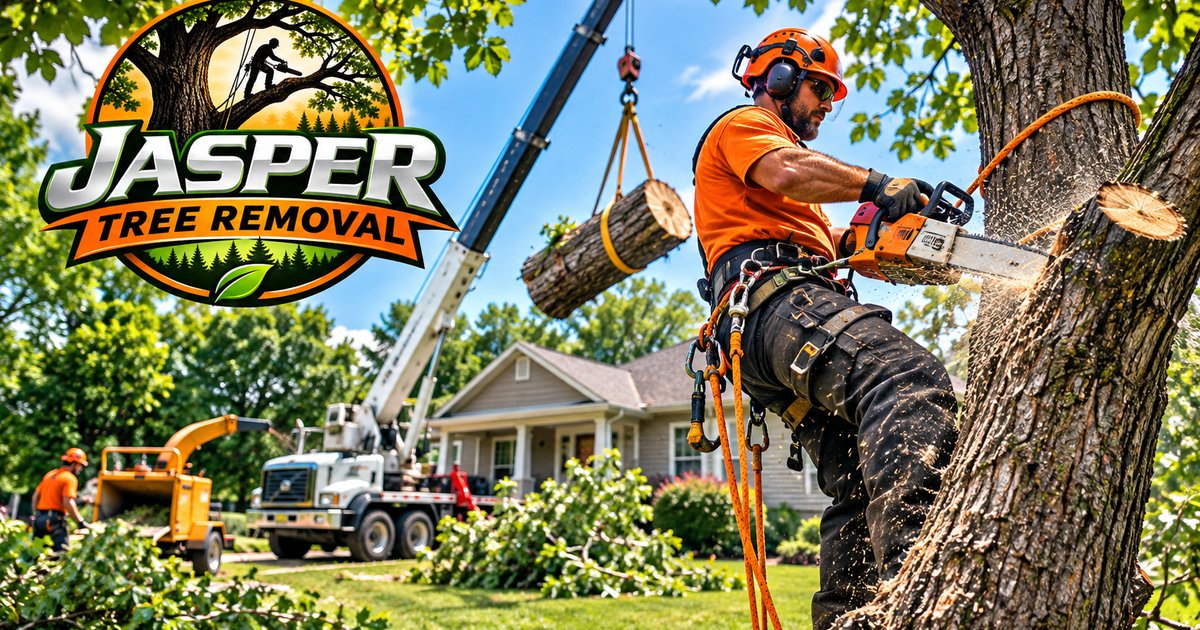
For homeowners in Jasper and Pickens County, Georgia, local services like those offered by Jasper Tree Removal understand the specific tree species and weather patterns in the region. The climate there can produce heavy storms that test a tree's structure. Having a trusted service you can call before a storm hits gives you one less thing to worry about when the weather turns rough. If you need a fast response or a careful planned removal, jaspertreeremoval.com provides residential and light commercial work including trimming, stump grinding, and lot clearing.
Tree removal is not something most homeowners think about until a problem is right in front of them. By then, the situation often feels urgent. Knowing what the process involves, what questions to ask, and when to act gives you the confidence to handle it well. A safe, well-managed removal protects your property, your family, and the trees that can stay.
Jasper Tree Removal on social media
 Twitter
 Instagram
 YouTube